What is an Elevator Machine Room?
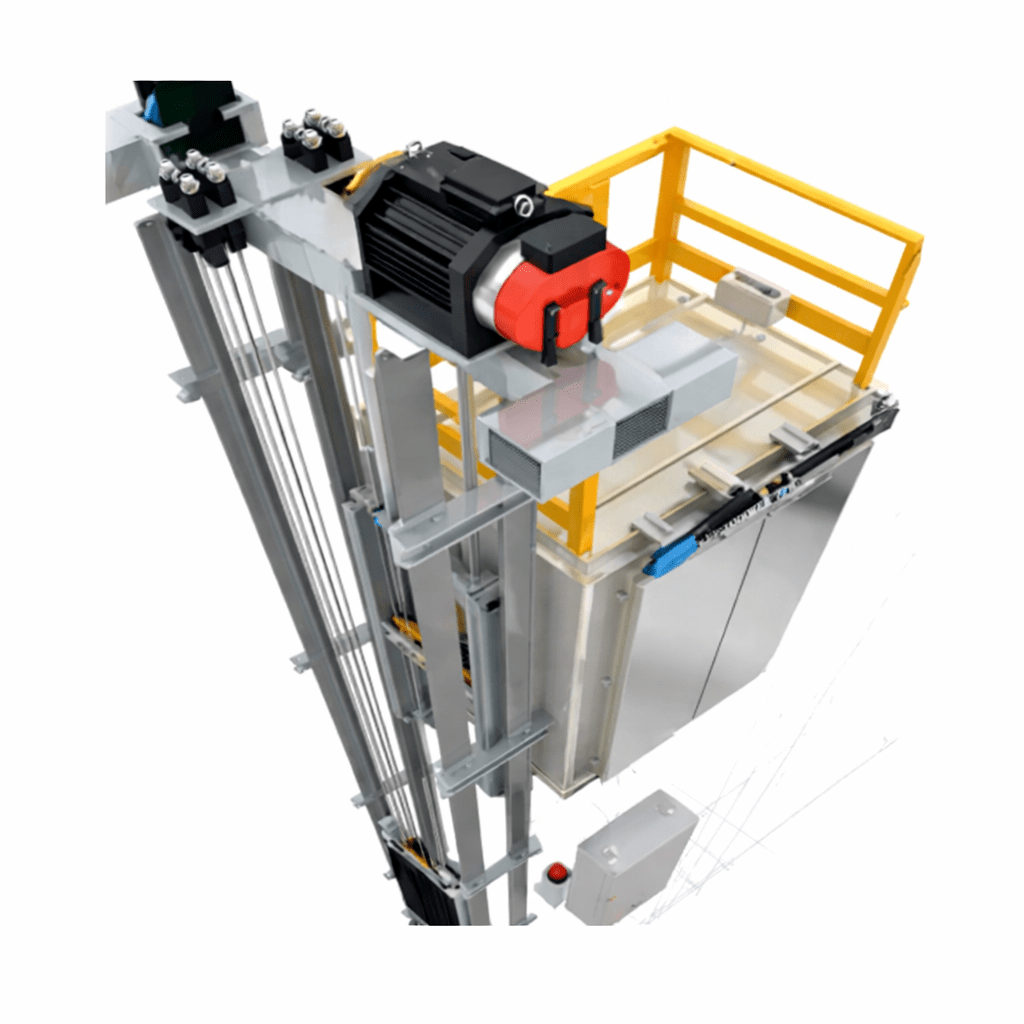
An elevator machine room is a dedicated space that contains the main mechanical and electrical components required for elevator operation. These components work together to control the movement, speed, and safety of the elevator system.
Machine rooms are usually located in restricted-access areas, allowing only trained technicians to enter. This design prevents unauthorized access, protects expensive equipment, and minimizes the risk of tampering or accidental damage.
Even today, many elevator companies in Mumbai and other metropolitan cities continue to install elevators with machine rooms because they offer greater reliability and easier maintenance compared to some modern alternatives.
Controlled Access
The machine room is a locked and restricted area, allowing access only to certified technicians. This prevents passengers or building occupants from coming into contact with moving parts, electrical wiring, or heavy mechanical equipment.
Reduced Risk of Accidents
By housing critical components away from passenger areas, the machine room minimizes the risk of accidental interference or equipment damage, improving overall elevator safety.
Better Temperature Control
Elevator machinery generates heat during operation. A dedicated machine room allows proper ventilation, cooling systems, and environmental monitoring to maintain safe operating temperatures.
Improved Emergency Management
In case of system faults or emergencies, technicians can quickly access the equipment in the machine room to diagnose and resolve issues without interfering with passengers.
Common Preventive Maintenance Tasks
-
✓Cleaning dust from equipment
-
✓Checking lubrication and oil levels
-
✓Inspecting belts and electrical connections
-
✓Testing emergency braking systems
Space and Layout Planning
Designing an elevator machine room requires careful planning of space, layout, and location. Engineers determine the optimal machine room size to ensure technicians have enough room to perform inspections and repairs safely.
At the same time, the design minimizes the impact on usable building space while ensuring easy accessibility for maintenance teams.
Noise and Vibration Control
Elevators generate mechanical noise and vibration during operation. Engineers use several design solutions to reduce disturbances in nearby rooms.
- Soundproofing materials
- Vibration dampeners
- Isolated wall systems
Emergency Access and Safety
Proper lighting, ventilation, and accessible doorways are essential components of machine room design. In emergency situations, technicians must be able to quickly access the equipment and perform repairs safely.
Compliance with Safety Standards
Even though the machine room is hidden from public view, it must comply with strict engineering regulations and safety standards.
- Fire safety compliance
- Ventilation requirements
- Energy efficiency standards
Ideal for High-Rise Buildings
High-rise buildings often require larger motors and more powerful drive systems, making elevators with machine rooms a practical and reliable solution.
Suitable for High-Traffic Buildings
Hospitals, commercial complexes, and office towers benefit from machine-room elevators because they provide:
- Better reliability
- Faster servicing
- Lower downtime
Long-Term Cost Efficiency
Although machine-room elevators may have slightly higher installation costs, they often deliver long-term savings through easier maintenance and greater durability.
- Energy-efficient motors
- Eco-friendly components
- Advanced diagnostic technologies
Although elevator technology continues to evolve, elevator machine rooms remain a critical part of many lift systems. They improve safety by isolating complex machinery, simplify maintenance through easy access, and support reliable long-term operation.
For building owners and property managers, elevators with machine rooms often provide the best balance between safety, maintenance efficiency, and engineering reliability.
With advancements in smart monitoring and energy-efficient technology, machine rooms are likely to remain an integral part of modern vertical transportation systems for many years to come.